You come up from the hall track. Late afternoon, chairs still warm on one side from the sun. Underfoot, swept boards, and dust turning slowly in the light.
Speaking
A circle of chairs, not a stage
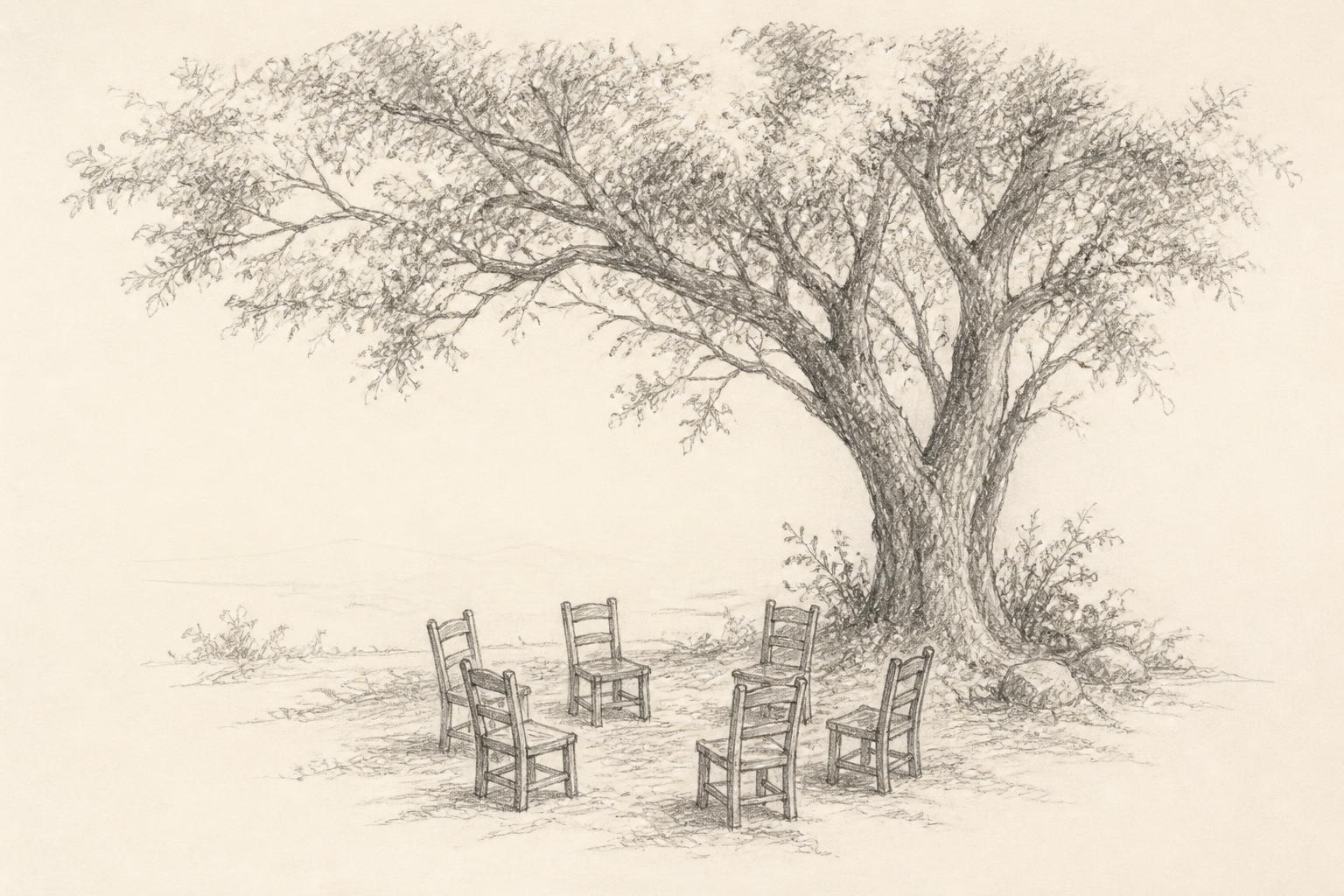
Yaya Nyari speaks a few times a year, when the subject is one she can treat with care and the room is willing to sit with it.
Every talk is written for the people who will be in the room. Nothing is repeated from the last one.
“A room listens better when nobody is being sold anything.”
A note kept beside the lectern
Subjects
Memory as heritage
Why a family's record disappears in a single generation, and what preserving it asks of us.
Leadership that mostly holds
Drawn from children's services and from Mun’ando.
Families First in practice
Honest accounts of keeping families together, and of the times it was not safe to.
The calling to authorship
A reading, and a conversation about answering an obligation late.
Forms the work can take
Readings
An hour, with time afterwards for questions that arrive slowly.
Lectures
For practitioners, students, and rooms that arrive after a long working day.
Conversations
In-person or recorded, with one host rather than a panel of six.
Workshops
Small groups, writing memory without exposing anyone.
“What people remember afterwards is rarely the argument. It is being taken seriously.”
Noted after a reading
Speaking notes
Selected notes and readings are kept in the Reading Room, so a talk does not disappear once the chairs are stacked. What was said in one room in one evening becomes something a stranger can read in ten years’ time.
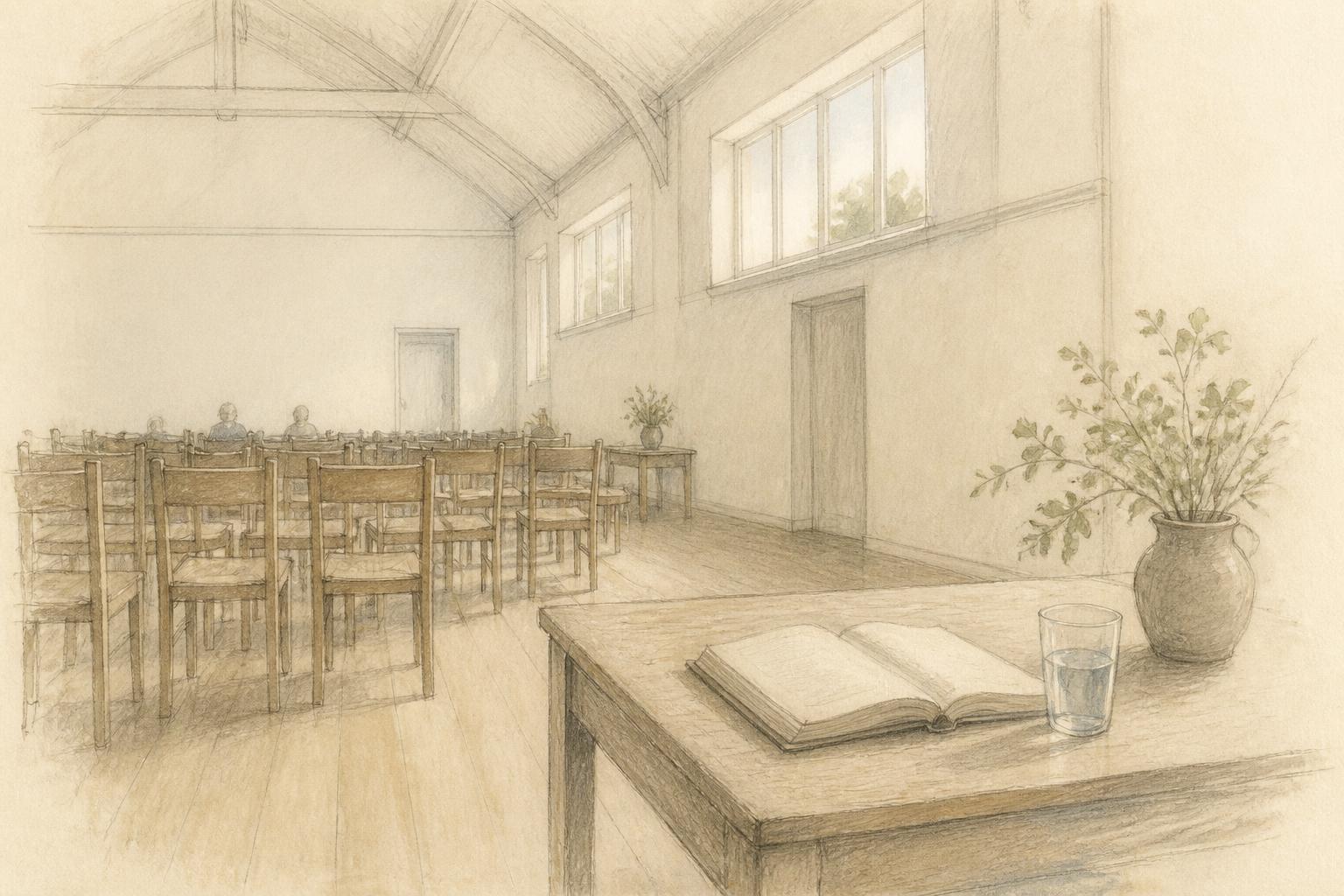
Invitations may also be written directly to speaking@yayanyari.com.
The path continues
- On to the gate
Invitations are read by a person, and answered slowly.
- Back to the bench
If you would rather know who you are inviting first.