You come up from the lower gate. Mid-morning, the light still cool and sideways through the msasa. Underfoot, the path is soft with last night's rain.
About Yaya Nyari
Come and sit. This is not a biography.
A biography arranges a life into achievements. A conversation lets it stay the shape it actually was.
There is time for the longer version. Start here.
Who she is today
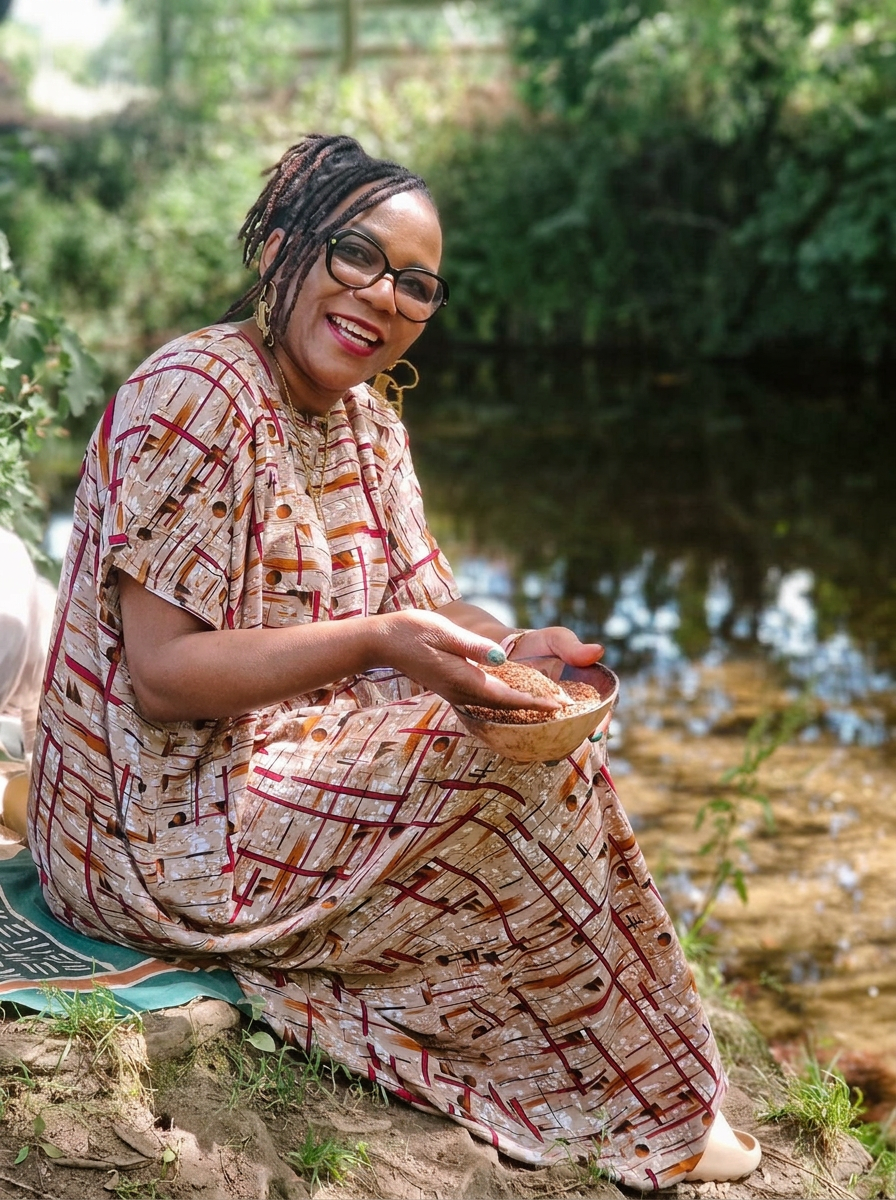
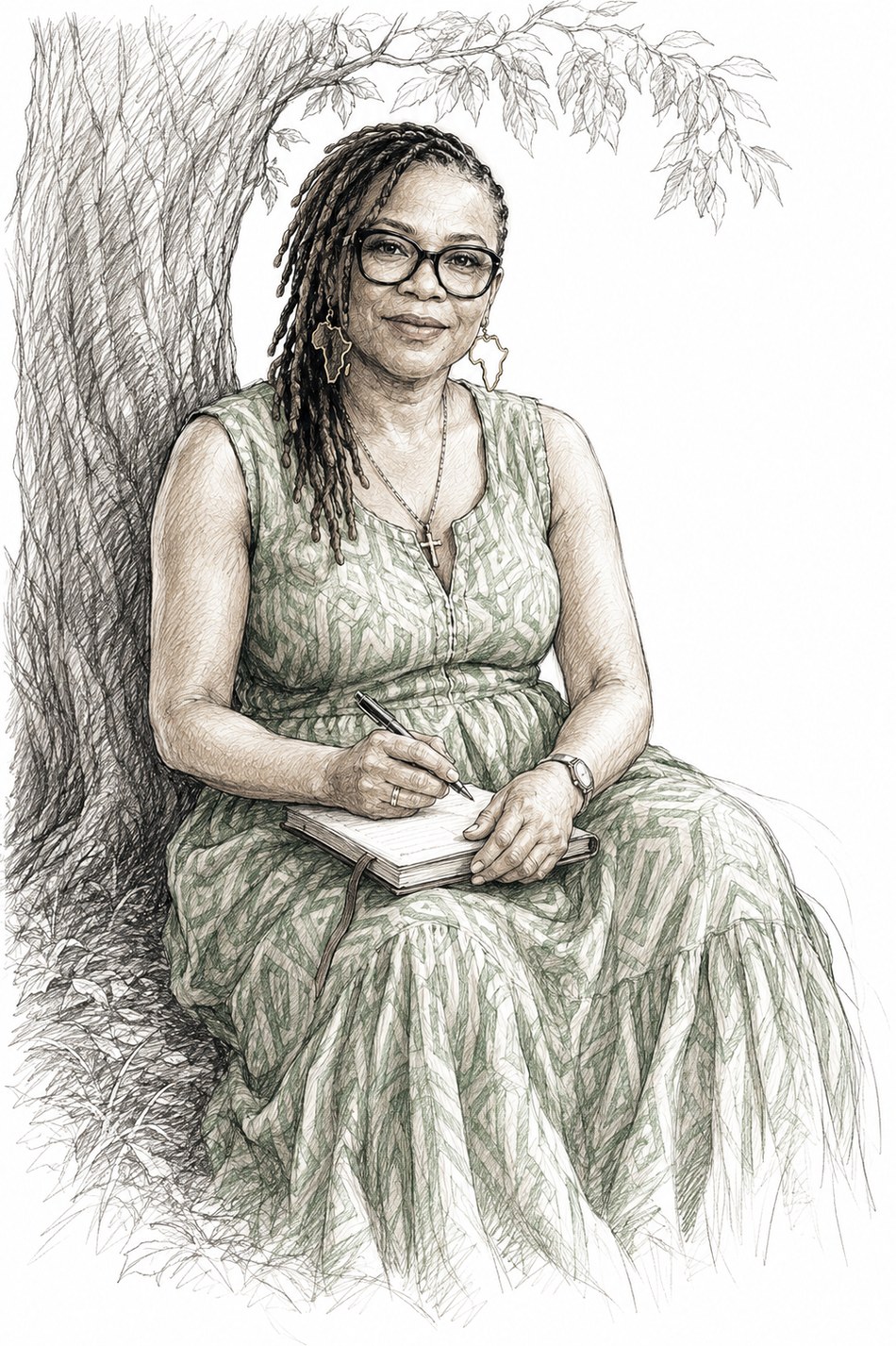
Yaya Nyari is a writer, a storyteller and a steward of memory. She works in children's services, keeps a garden that is mostly patient with her, and walks the same woodland path most mornings.
Her writing moves between rural Zimbabwe, family life, survival, leadership and the landscapes through which identity is formed.
She writes not to remain in the past, but to bring its lessons into fuller conversation with the present.
“We shall not cease from exploration, and the end of all our exploring will be to arrive where we started.”
Pinned above the writing table
Origins
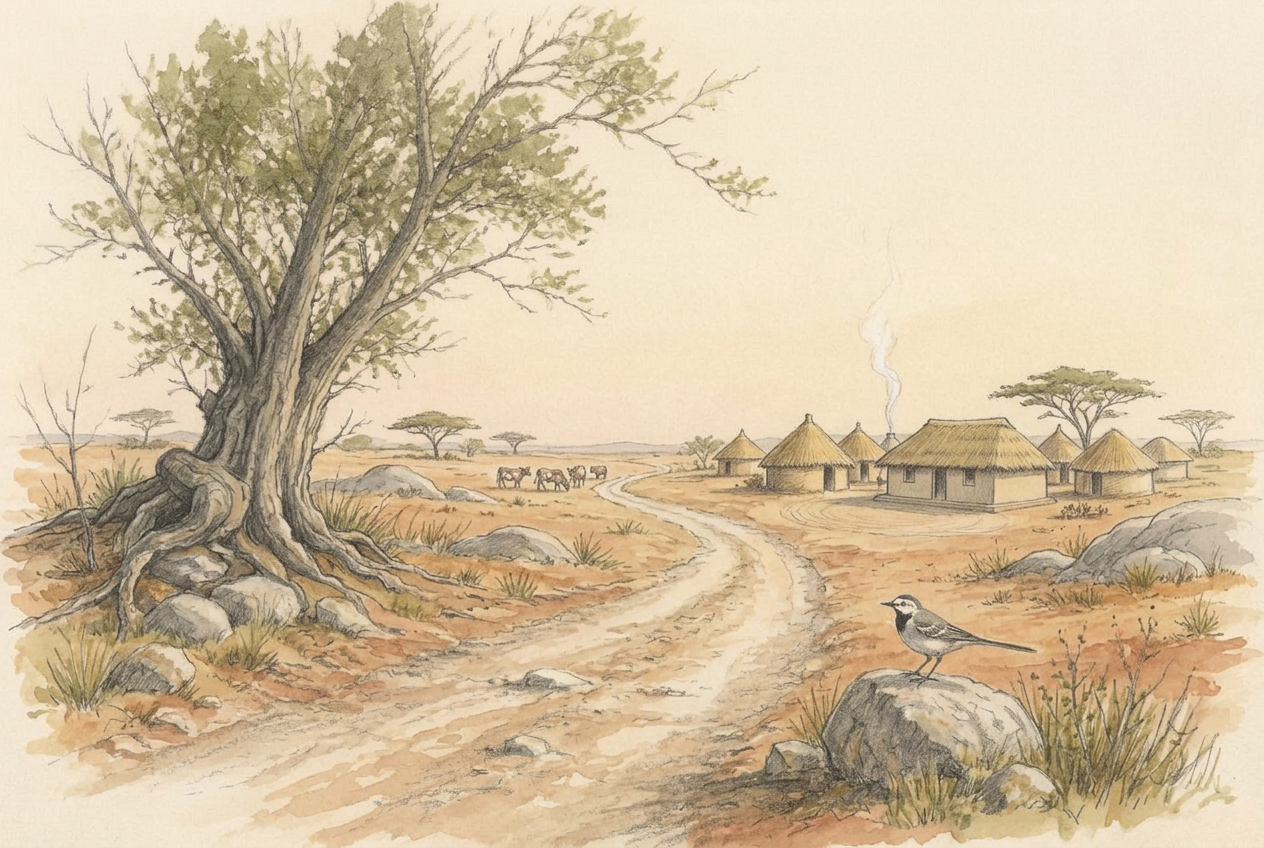
She grew up in Dora Pindo, where the road was always being repaired and almost everything a child played with had been invented that same afternoon.
That is enough for this page. The books tell the stories properly, and they are better told there.
Why preserve memory?
Because a village can lose its record in one generation, and nobody notices until someone asks a question nobody can answer.
Because writing is the only way she has found to keep a thing accurately without keeping it heavily.
And because an Estate outlives a website. What is gathered here is meant to be handed on, not simply published.
Today’s work
Aspects of one stewardship, rather than a list of achievements.
Children's Services
Work built around the belief that a child's account of their own life is evidence, not decoration.
Families First
Keeping families together where it is safe to do so, and being honest when it is not.
Leadership
Mostly holding: a room, a grievance, a promise made some years earlier.
Writing
The obligation to remember accurately, answered late and then daily.
Gardens
Slow, seasonal, forgiving. A good teacher for anyone who wants results quickly.
Charlie
Small, white, unhurried. He decides how long the morning walk will be.
A closing reflection
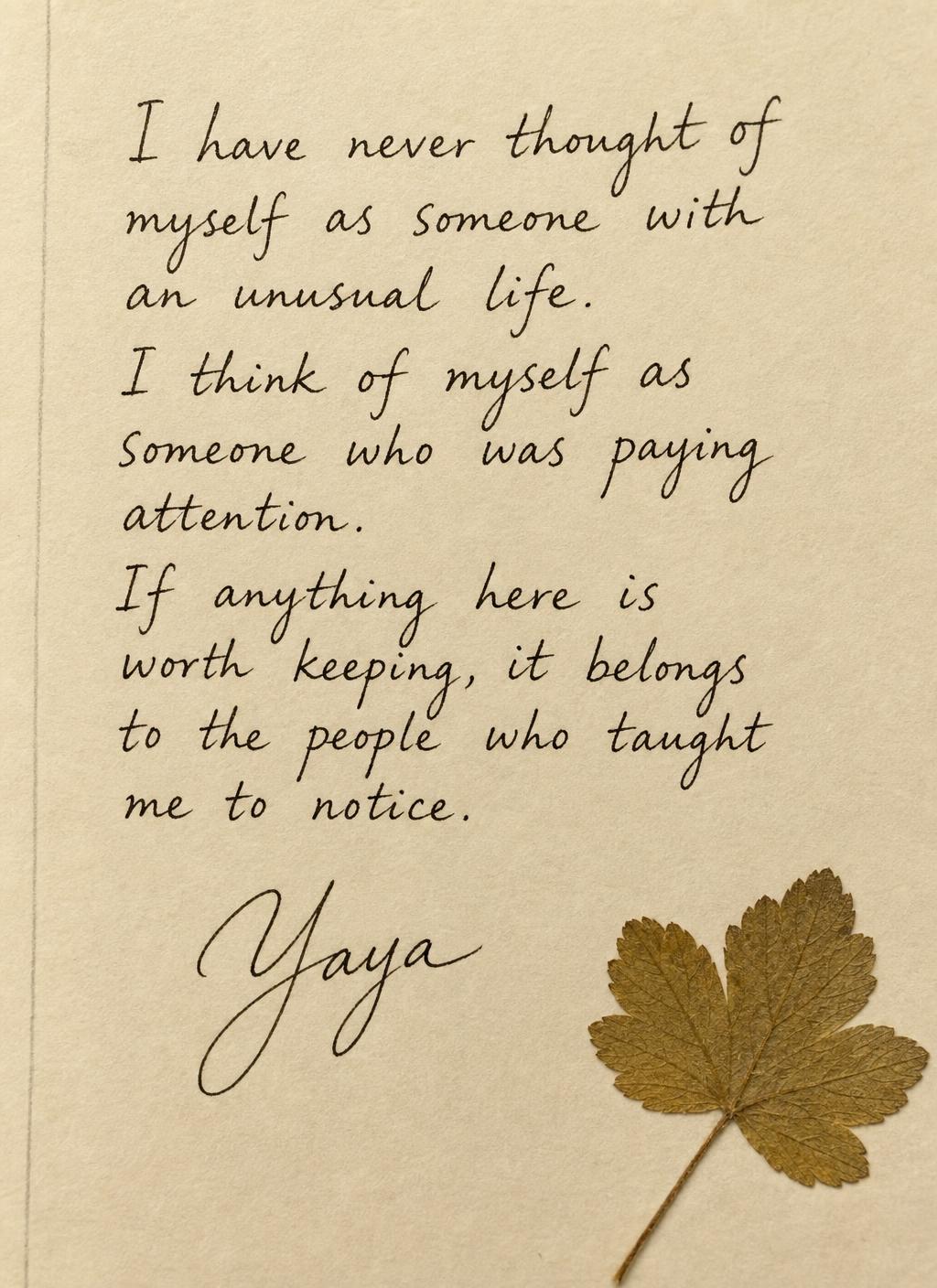
I have never thought of myself as someone with an unusual life. I think of myself as someone who was paying attention.
If anything here is worth keeping, it belongs to the people who taught me to notice.
Yaya
The path continues
- Into the books
Four doors along the ridge, each one opening on a different weather.
- On to the Reading Room
Ten minutes downhill, and the noise of the world drops away behind you.