You follow a narrow passage to a desk beneath an open window. A notebook lies where the light can reach it, its pages waiting. The chair has been drawn back, as though someone has only just understood why she came.
B002
The Calling to Authorship
Every path in this Estate begins with one quiet realisation: I was never simply remembering. I was being asked to write.
Under development
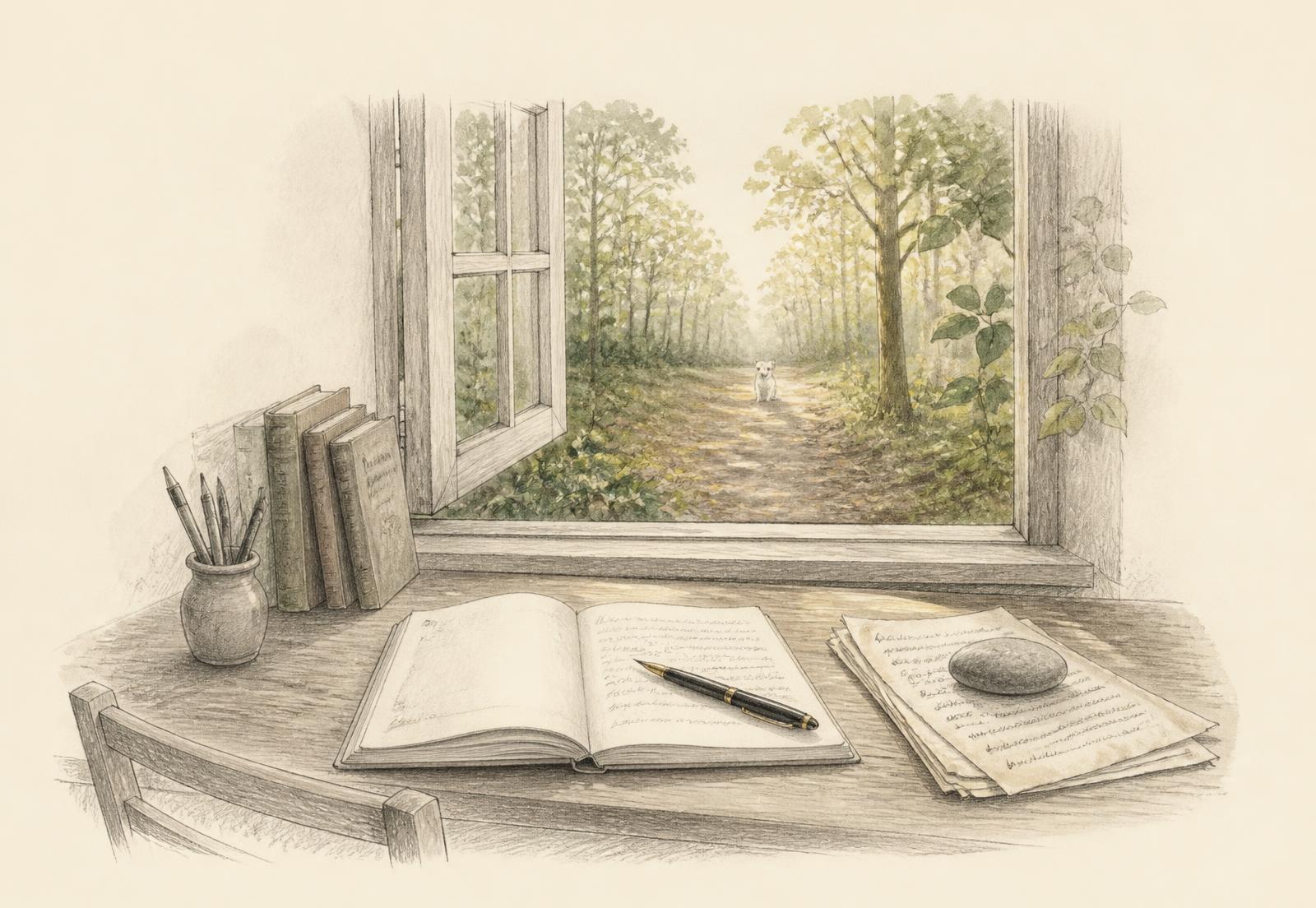
The threshold volume
This is not a conventional book. It is the door the others are entered through. Read in any order, the four works keep arriving back at this room: an ordinary morning, a notebook, and a life recognising what it had been carrying all along.
What the memories were waiting for
For many years the remembering looked like care — names kept, dates kept, the small accuracies a family relies on. It was assumed to be preservation: a defence against forgetting.
It was not. The memories were waiting to become literature. They had been asking, patiently, for the one thing preservation cannot give them — a voice.
Two names, one life
Manyara and Yaya Nyari are not two people, and not a person and a pen name. They are two names for the same life: one living it, the other giving it voice.
The change recorded here is not from ordinary person to author. It is from unconscious steward to conscious steward — the same work, finally done on purpose.
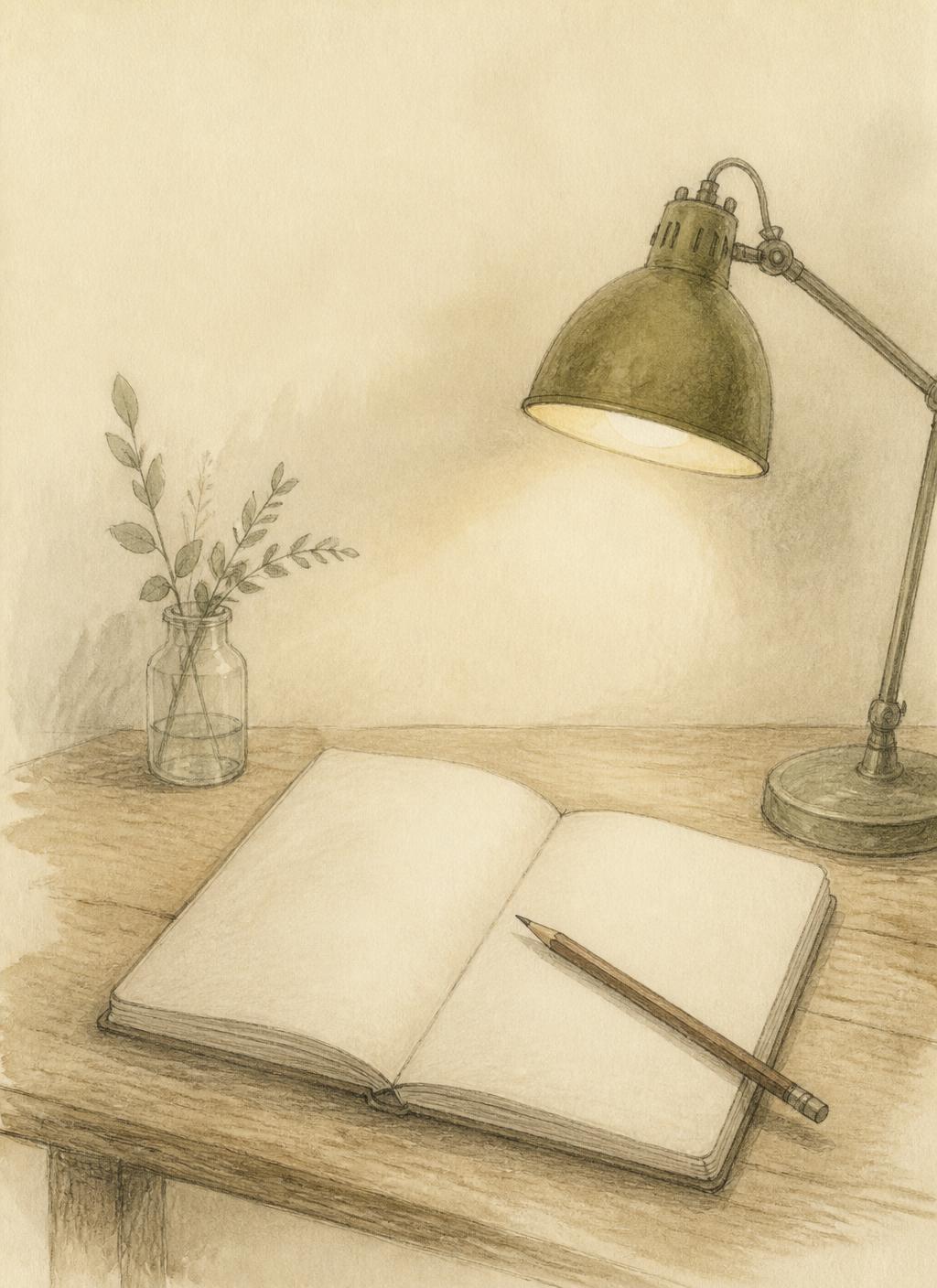
The invitation
Follow the quiet awakening of a writer who had carried stories long before she named herself one.
Estate reflection
Writing did not arrive as ambition. It arrived as an obligation to remember accurately, and it waited a long time to be answered.
Architect’s note — This is the book that explains the Estate itself — why any of it is being preserved.
“A book is a room you are allowed to enter twice.”
Estate note on the reading of memoir
The reader’s journey
- 01
The years of carrying stories without permission to tell them.
- 02
The first pages, written in the hours nobody else wanted.
- 03
Naming the work, and accepting what naming it required.
Gallery
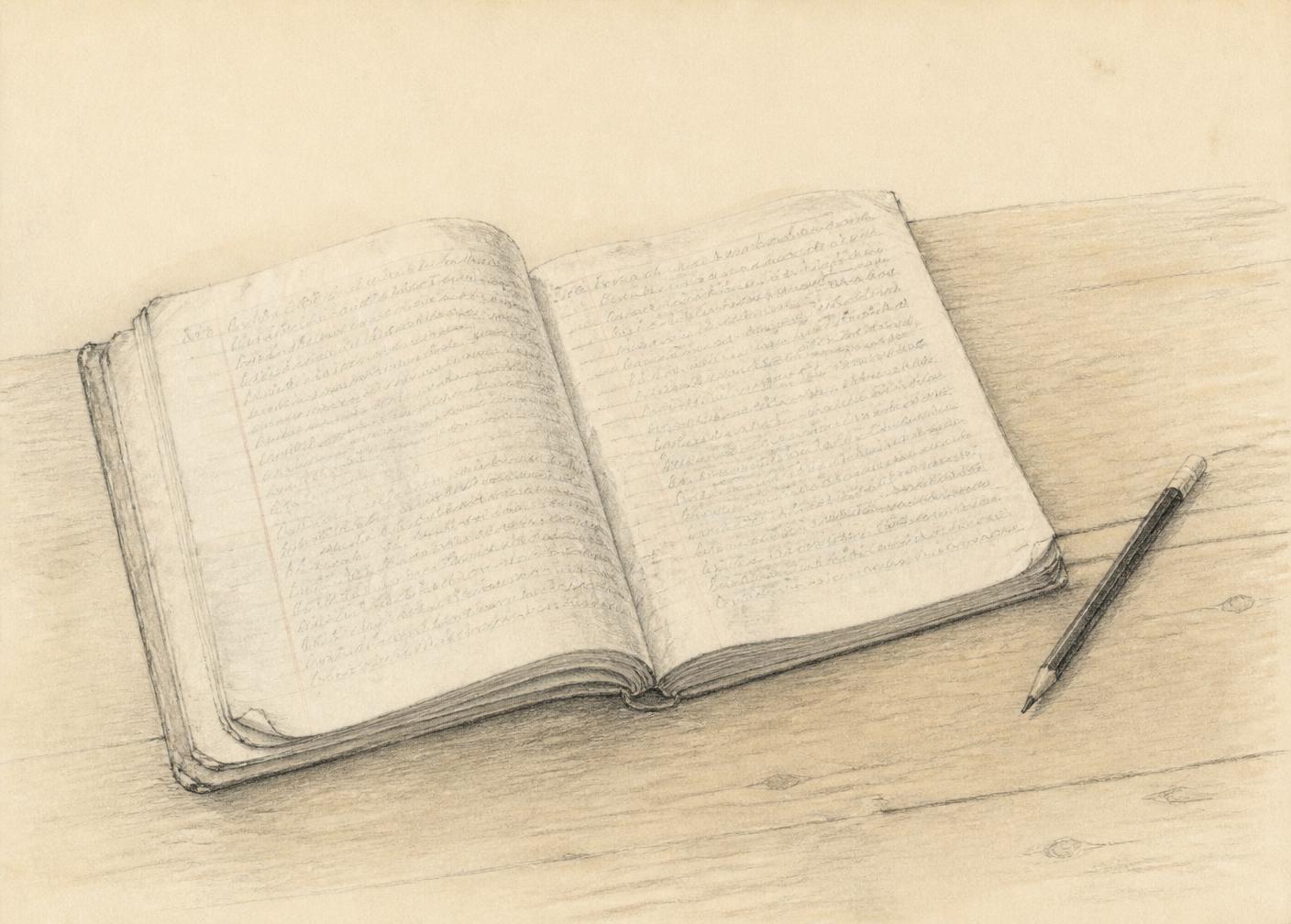
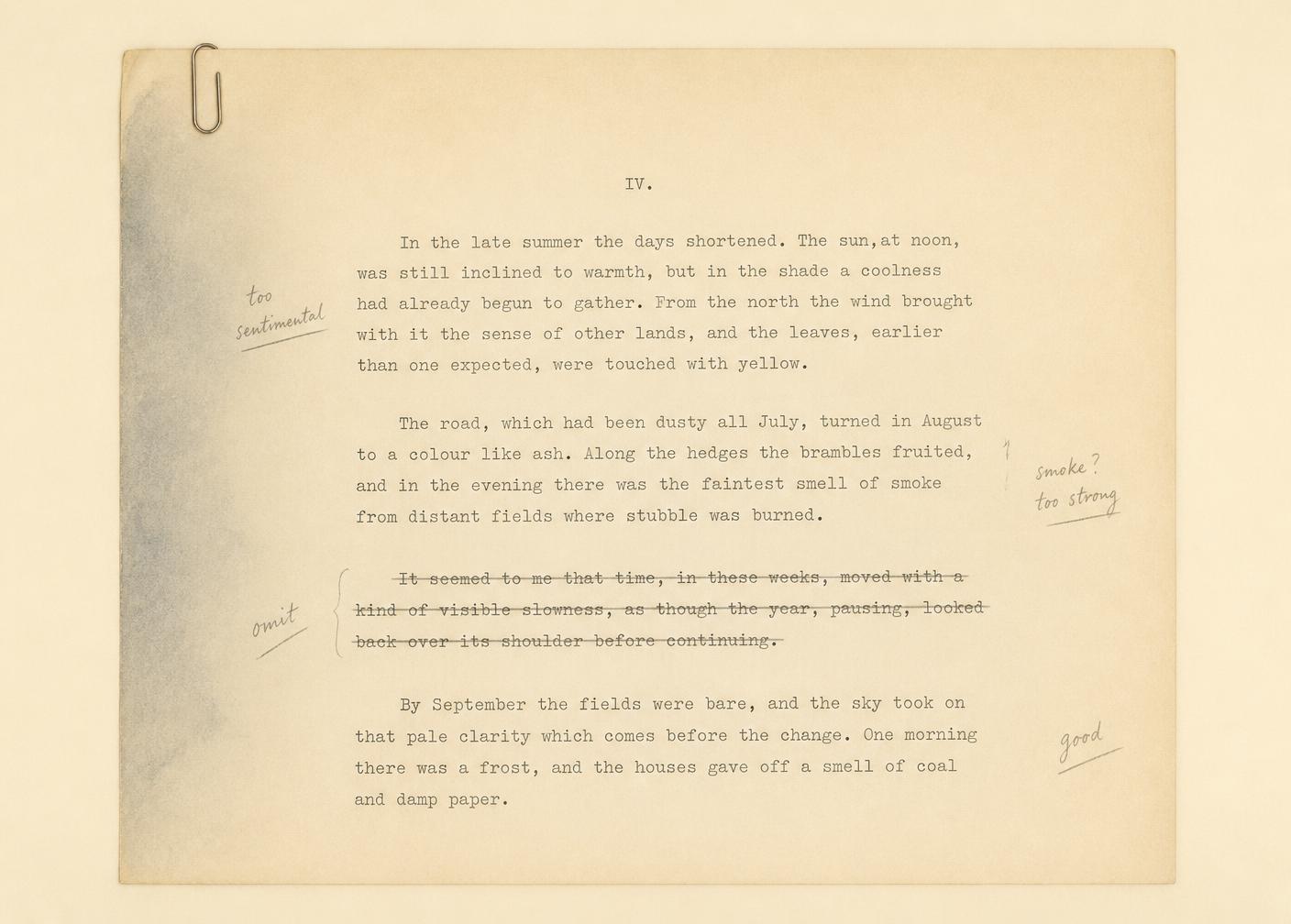
Images placed to encourage a pause rather than to interrupt the reading.
Related journal entries
Related places in the Estate
The Reading Room
Essays written alongside this book.
The Seed Bank
Ideas still waiting for their season.
Letters
When there is news of this book — a reading, a new edition, a page from the archive — it is sent as a letter rather than a campaign.
Where to find a copy is set down quietly at the foot of the page. The book comes first; the buying of it comes last, if at all.
Retailer details pending — to be added once editions are confirmed.